
Meditation does not have to mean sitting perfectly still. Seated meditation invites you to notice your breath and thoughts while your body rests; walking meditation brings attention to steps, balance, and the world around you. Both can help you practice returning to the present, and neither requires you to empty your mind. The better fit depends on what helps you stay engaged. Here’s how the practices differ and how to try each one.
How the Practices Differ
In seated meditation, choose a stable, comfortable position and rest your attention on something simple, such as the breath or sounds. When your mind wanders, notice that it has wandered and gently return to your chosen focus. Stillness makes small shifts in thought, mood, and sensation easier to observe, though staying seated can feel challenging for some people.
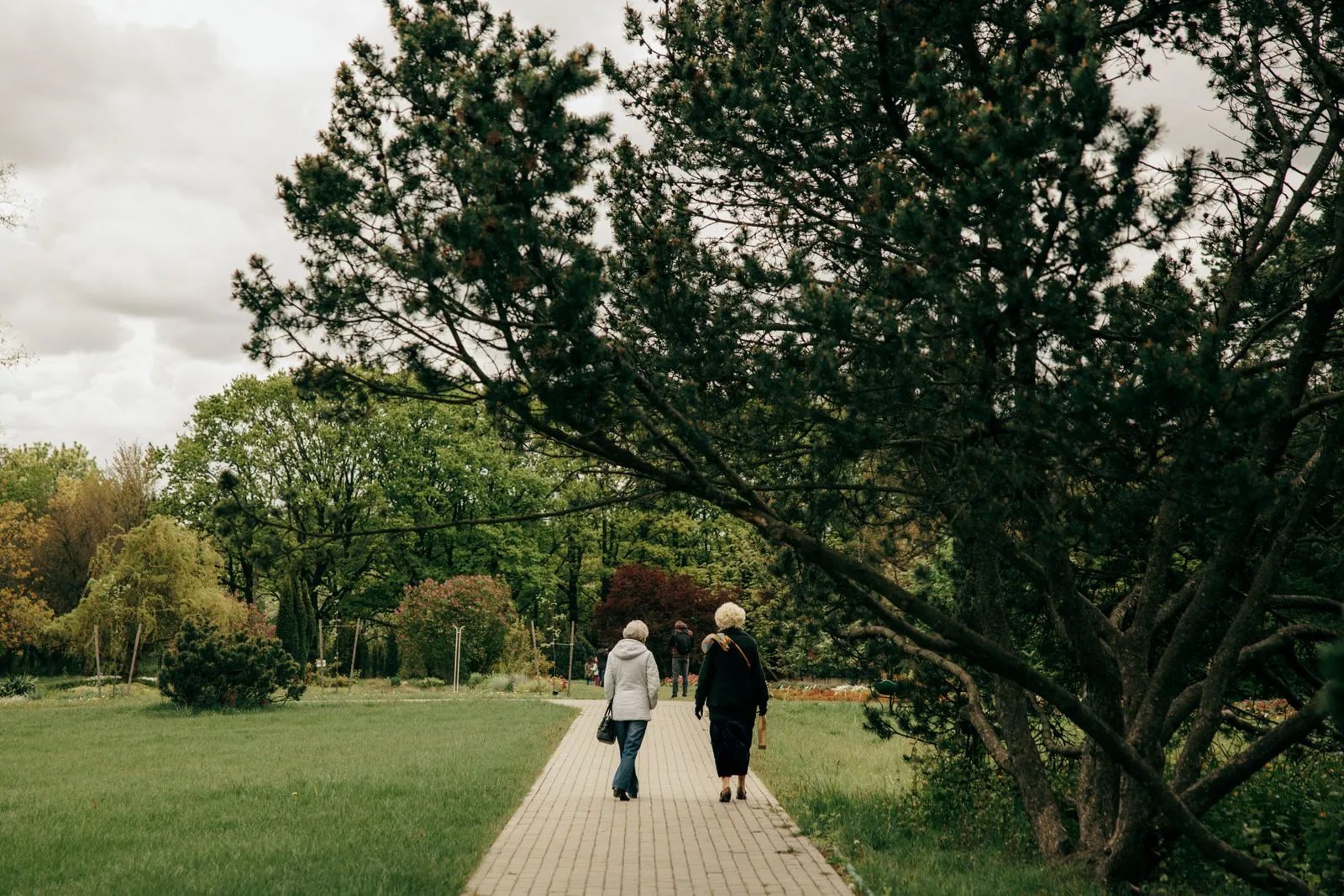
Walking meditation uses movement as the focus. Walk at a comfortable, unhurried pace and notice the sensations of lifting, moving, and placing each foot. You can also attend to your posture, breathing, or nearby sounds. The goal is not to reach a destination quickly; it is to experience the steps as they happen.
What Movement Can Add
Movement gives attention a clear, changing task. Feeling each foot meet the ground can help anchor you when sitting still feels restless or sleepy. The rhythm of walking may also make it easier to notice when attention drifts, because there is a steady sequence of sensations to return to.
Walking meditation can connect practice with ordinary surroundings. Notice the texture of the ground, the air on your skin, or the sound of traffic without needing to judge or follow every detail. Choose a safe, familiar route, keep your eyes open, and pause if you need to check your surroundings. Mindfulness should support awareness, not replace it.
Choosing What Fits
Try seated meditation when you want a quiet pause, have a comfortable place to sit, or want to observe your breath and thoughts with less movement. Try walking when sitting feels uncomfortable, you have energy to move, or you want to practice attention outdoors or during a break. Either practice can be brief; consistency matters more than a particular posture.
You can also combine the two. Sit for a few minutes, then walk slowly while keeping attention on your steps. If your mind gets busy, name the sensation you notice—such as “heel,” “sole,” or “toes”—and return to the next step. If you feel dizzy, unsafe, or distracted by traffic, stop and choose a safer setting or a seated practice.
A Simple First Practice
For a seated start, set a short timer and sit with your feet supported. Notice a few natural breaths, then feel the contact between your body and the chair. When thoughts appear, let them be there and return to the next breath. You do not need to force calm; the practice is noticing and returning.
For a walking start, pick a clear path where you can walk without rushing. Take several ordinary steps, then place attention on how each foot moves and meets the ground. When you reach the end of the path, pause, turn safely, and continue. If you prefer guidance or a shared practice, Baltimore Groundwalk offers walking meditation in Baltimore.
Seated meditation offers stillness; walking meditation offers motion and a steady point of focus. Both give you a chance to notice distraction and return to the present without judging yourself. Try each in a safe, comfortable setting and see which feels easier to sustain. If you’d like to explore a guided walk, consider reaching out to a local walking meditation center.